SECONDARY PACKING FOR FINISHED PRODUCTS

Your product.
Ready for its
next format.

Keep the product you’ve developed.
Plan how it reaches the next customer.

Turn finished, sealed products into discovery kits, multipacks and shelf-ready trays. Work out the counts, flag the unknowns and send one clear brief for review.

For existing brands and production-ready products.
Every job is reviewed for suitability.

THE DETAILS AROUND YOUR PRODUCT
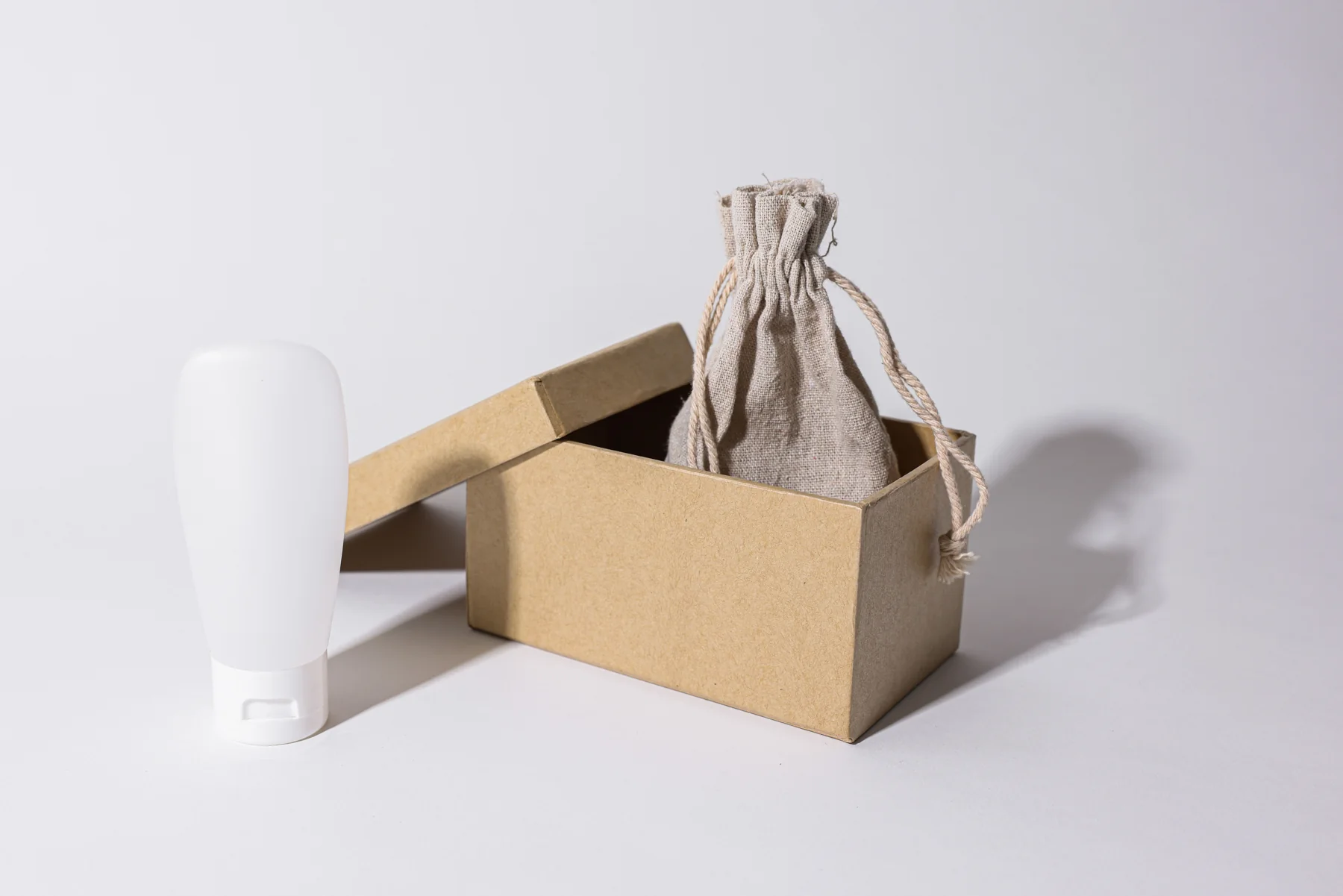
An unbranded kraft box holding a linen pouch beside a white cosmetic bottle.
PRODUCT / PACK / PRESENTATIONCount. Fit. Handover.
Representative packaging photography, not a PackYours project. Cup of Couple / Pexels (opens in a new tab).

Start with sealed productsProduct and handling suitability are reviewed.

Make the counts visibleCheck totals, SKU mixes and stock shortfalls.

Send one clear briefReview your plan and contact details before sending.

FIND YOUR FORMAT

Three ways to bring
your products together.

Choose a format to see what needs checking, what to supply and how to brief the work.

An unbranded kraft box holding a linen pouch beside a white cosmetic bottle.
Representative packaging photography, not a PackYours project. Cup of Couple / Pexels.

DISCOVERY / CAMPAIGN

Discovery kits.
One considered introduction.

Bring a defined mix of sealed products and approved inserts together for a sample, launch or campaign. Start with the contents, the intended recipient and a pack configuration that can be reviewed.

  • Define the mix of products
  • Check the outer pack and insert
  • Agree assembly and handover
Explore discovery kits
Unbranded sealed sample sachets photographed on a pale surface.
Representative sealed sachets, not a PackYours project. Kier in Sight Archives / Unsplash.

ROUTINE / TRAVEL

Multipacks.
A useful number, clearly packed.

Group sealed sachets or sticks into a routine or travel format. Work out each product’s count, the total units needed and the questions to resolve before the outer pack is ordered.

  • One product or a fixed SKU mix
  • Pouch or carton suitability review
  • Coding and checks by agreement
Explore multipacks
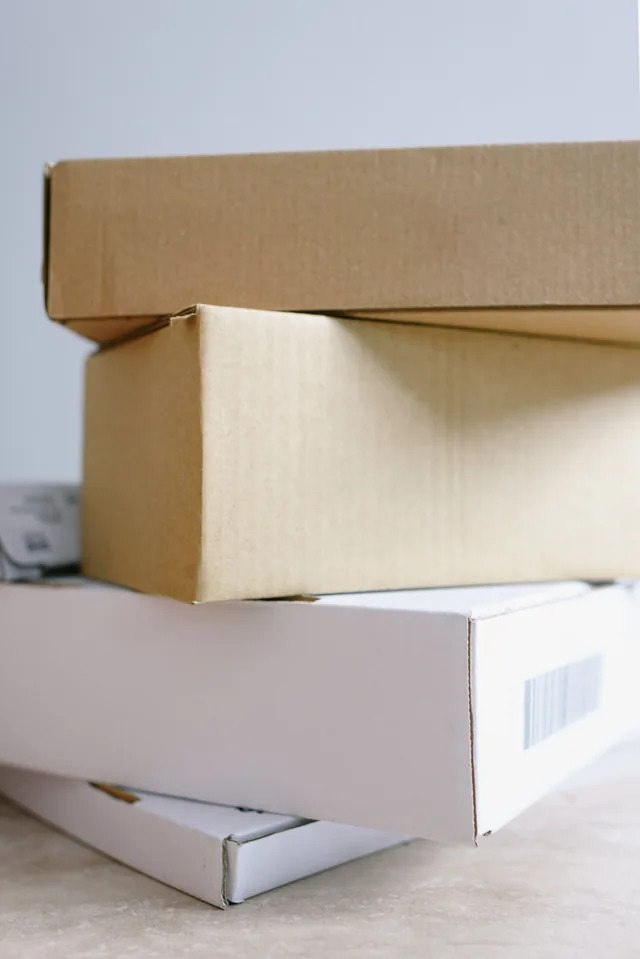
Stacked kraft and white cartons showing folded card edges.
Representative carton material, not a completed kit or tray. Ksenia Chernaya / Pexels.

DISPLAY / RETAIL

Retail trays.
A clearer shelf-ready brief.

Plan how finished units sit in a tray and travel in the outer shipper. A count is only the start: samples, orientation, dimensions and the channel’s requirements still need to be checked.

  • Units per tray and tray totals
  • Presentation and orientation
  • Shipper and dispatch specification
Explore retail trays

Materials, product suitability, quantities and production slots are confirmed in your quote.

See how a count becomes a pack Illustrative only

TRY THE IDEA

Change the format.
Try a count.

One finished pack contains a defined number of sealed units. Switch the format and edit the count to explore the idea.

For a full run, use the Pack Planner below to calculate totals across your configurations.

Work out my full run
INTERACTIVE COUNT STUDYPY / EXAMPLE
ONE FINISHED

Discovery pack

Count examples only. This schematic is not to scale and does not confirm materials, dimensions, physical fit or an offered pack size. It is separate from your packing brief.

WHEN THE FIT IS STILL A QUESTION

Before you order
the outer pack.

01

Pack-fit pilot

Will the product fit, seal and pack consistently? Agree a bounded trial and receive the findings, photos and next steps.

Explore a pilot

Still defining the quantities? Send a simple pilot enquiry.

Paid, scoped before work begins. A failed fit is a useful result; production is a separate decision.

02

Production packing

Approve the configuration and quote. We plan counting, assembly, agreed coding, checks and outer packing around that specification.

Plan a production brief

Materials, work instructions and checks agreed for the job.

03

Repeat runs

Reuse the approved pack specification and update quantities, materials and dates for each new quote.

See a repeat brief

Availability, pricing and any changed specification are checked for each run.

HOW THE WORK IS SCOPED

Resolve the detail.
Then run the pack.

Start small where the answer is unknown. Keep a clear record of what is approved.

  1. 01

    Share a short brief

    What exists, how it should be packed, quantity, intended channel and timing.

  2. 02

    Review the practical details

    Materials, fit, coding, traceability and the work required.

  3. 03

    Trial where needed

    Agree the question, samples, fee, acceptance criteria and exclusions.

  4. 04

    Approve and pack

    Authorise the quote and specification before the production slot is confirmed.

  5. 05

    Keep the pack record

    Use the approved configuration as the starting point for the next run.

YOUR PACKING WORKSPACE

Build it. Check it.
Send one clear brief.

Calculate your pack quantities, review the checks, then send your brief from this page. No account needed.

No fixed quantities yet? Send a simple enquiry about your product, pilot or development question.

  1. 1. Product
  2. 2. Configuration
  3. 3. Checks
  4. 4. Review & send

Your packing brief · enter your proposed counts

A Your product

No formulas, confidential specifications or health information.

B Counts & configurations

Allocate one shared pool of primary units across up to three formats. Mixed products need a count for each SKU (product variant).

Total across this brief. Per-SKU stock still needs checking. No waste rate or sampling allowance is assumed.

C Ready for review

A requested date, not a confirmed slot.

Included in your brief only when you choose Send enquiry.

FROM PLAN TO ENQUIRY

Check the detail.
Then send your brief.

Everything stays on this page. Your current configurations go with your enquiry, including unresolved questions.

Checking whether the private inbox is available. You can check and review your plan while we connect.

Your plan checks

Use Check my plan above to validate the current counts and see what still needs a suitability review.

BEFORE YOU START

A clearer brief.
A better conversation.

Can you pack products made elsewhere?

Suitable finished products can be considered for a defined secondary-packing job. Product details, handling requirements, packaging and available capacity need review before acceptance.

Do I need finished artwork and packaging to enquire?

No. Tell us what is ready and what still needs to be resolved. A production quote and schedule depend on the agreed specification and required approvals.

Is there a standard minimum order or price?

The economical run size depends on format, quantities, materials, setup and packing method. The review establishes the project scope and pricing; the planner does not provide an instant quote.

Does the planner confirm that my products will fit?

It calculates counts from your inputs and highlights missing details. It cannot establish physical fit, seal performance, product suitability or retailer acceptance. Samples and technical review may be required.

Can you fill the primary sachets too?

Bulk filling and product development need a separate technical review before a secondary-packing run can be defined. Describe your product stage in the brief so the appropriate pathway can be considered.

What happens when I send my brief?

The displayed details are stored in the private PackYours enquiry inbox. Keep the on-screen reference. Submission is a request for review, not an accepted order, confirmed quote or booked production slot. No automatic email notification is sent.

Who owns our formulation?

Your existing formulation remains yours. If a separate development project is commissioned, you own the final formulation developed for you once the development fee is fully paid, under the agreed scope.

A SMALL PACK. A CLEAR PLAN.

What could your
next pack look like?

Start with the product you have
and the format you want to explore.

Build my brief

Replace this brief?